
Learning to Rest Like a Weaned Child
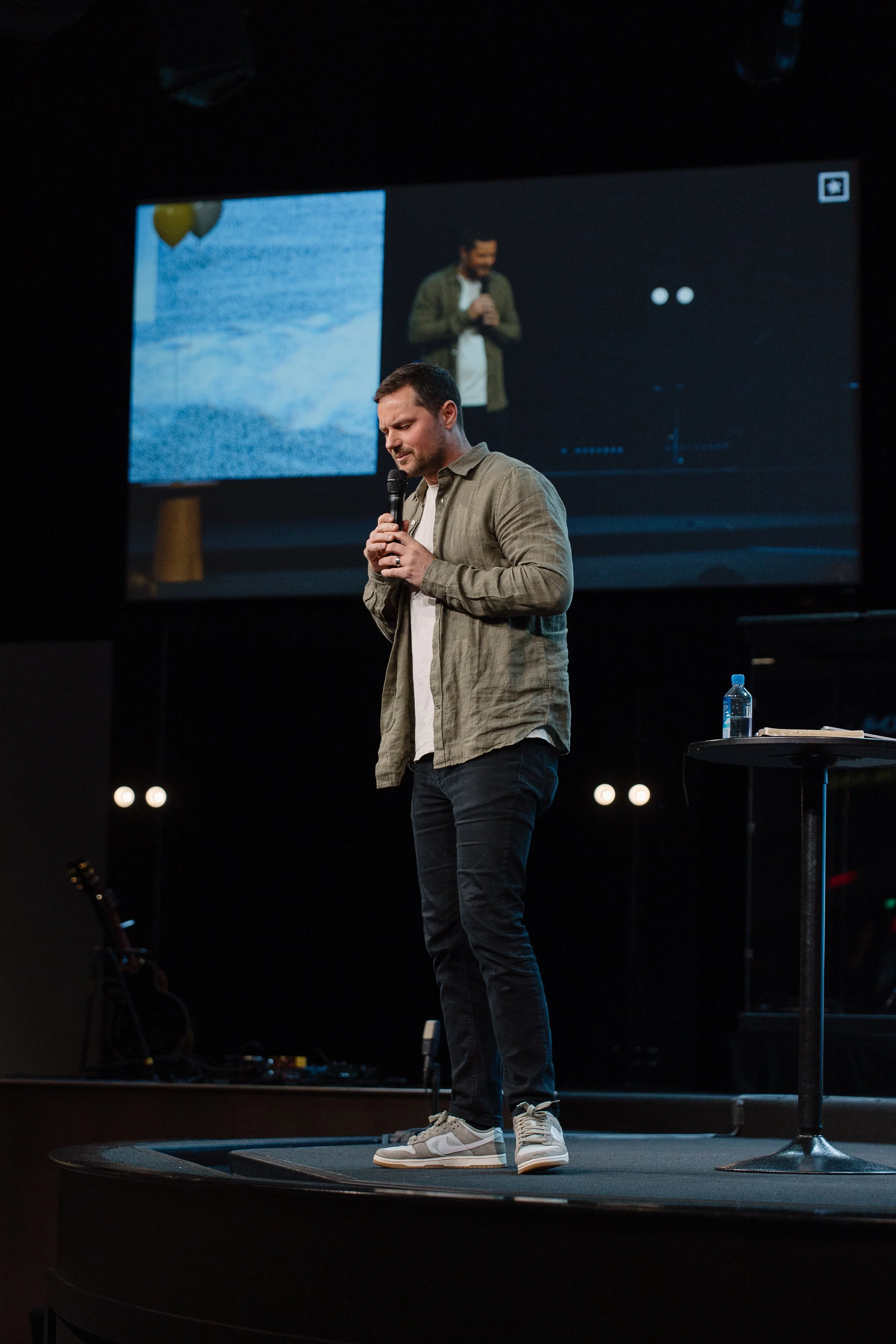
Scroll to read a recap of Pastor Caleb Culver’s sermon from January 18, 2026
Psalm 131 gives us language for the posture God forms in us through devotional prayer:
“I have calmed and quieted my soul, like a weaned child with its mother.”
A weaned child still depends on their mother, but they no longer come only for provision. They come for closeness. The relationship hasn’t changed, but the way they connect has.
This is what God forms in us over time. Early faith often comes urgently—prayers driven by need, outcomes, and relief. As we mature, God invites us into a different posture: trust without immediacy.
That invitation usually comes through discomfort, just as weaning does. What once brought quick comfort is no longer available in the same way. To the child, it can feel like abandonment—even though the mother hasn’t moved.
Spiritually, this can feel disorienting. God feels quieter. Prayer feels slower. Worship feels less emotionally charged. It’s easy to assume something is wrong or that God has pulled away.
But hear this: God has not abandoned you, and you are being formed.
Spiritual formation requires more than asking God to fix circumstances—it requires surrendering our hearts.
David says he has calmed and quieted his soul. That kind of quiet doesn’t happen accidentally. It’s the result of laying down control and the need to manage outcomes.
We see this posture embodied in Mary of Bethany. While others were busy and anxious, Mary sat at Jesus’ feet and listened. She wasn’t demanding answers or action. Jesus called this posture “the better portion.”
Mary shows us how to bring our whole hearts to God without being ruled by them. We pour out our weakness, confusion, and brokenness—and God responds by speaking identity, worth, and value.
This is why posture matters in prayer. Before you speak, ask: What posture am I bringing into God’s presence? Don’t rush to fix what you feel. Name it, then bow it.
Tap to watch Pastor Caleb Culver’s full sermon on Youtube.
Here's a 5-day devotional guide based on this sermon:
Day 1: Approaching with a Humble Heart
Reading: Psalm 131
Devotional: David's shortest psalm reveals the longest lesson: spiritual maturity is found in humility, not striving. Like a weaned child who approaches their mother not for what they can get, but simply for love and presence, we're invited to come before God with hearts bowed low. Your heart may be sick with hurt, addiction, or self-hatred—incurable by your own effort. But God doesn't ask you to heal your heart; He asks you to humble it. Today, resist the urge to fix yourself. Instead, bring your brokenness honestly before the Father. Name your emotions without being controlled by them. Let your first posture be surrender, not requests.
Day 2: Listening Before Speaking
Reading: Luke 10:38–42
Devotional: Martha's anxiety wasn't wrong—it was misplaced. She was distracted from her point of reference: Jesus was in her home. Mary understood what Martha missed: the meal isn't primarily about the food, but about presence with the One at the table. Your busy soul and troubled heart need what only sitting at Jesus' feet can provide. Before you bring your to-do list to God, bring your attention. Before you speak your requests, listen for His voice. The Father has been waiting for you in secret, not to hear your performance but to enjoy your presence. Today, measure spiritual maturity not by your activity but by your ability to simply be with Him.
Day 3: Pouring Out Your Heart
Reading: Psalm 62:8
Devotional: God invites you to pour out your heart before Him—and remarkably, He receives it as worship. Those hidden sins, secret weaknesses, and deep hurts you're ashamed to bring? They're not too gross for God. When you expose them in His presence, He doesn't recoil; He responds with identity, worth, and value. This is the beautiful exchange of devotional prayer: we give Him our brokenness, and He speaks truth over us. We cannot go deep in God without letting Him go deep in us. There's no such thing as knowing God while hiding yourself. Today, unlock that box of past pain and present struggle. Trust that confession leads to communion.
Day 4: The Weaning Process
Reading: Hebrews 5:12–14
Devotional: If God feels distant, if prayers seem unanswered, if His presence isn't as tangible—you may not be abandoned. You may be being weaned. Like a child transitioning from nursing to solid food, the process is noisy, painful, and necessary. God is maturing you from an infant who only approaches Him for needs to be met, into a child who wants Him for relationship itself. This is the journey from green pastures into the valley of the shadow of death. Don't mistake His weaning for His withdrawal. He hasn't left you; He's teaching you to trust Him for who He is, not just what He provides. Today, choose to trust His process over your comfort.
Day 5: Receiving a New Heart
Reading: Ezekiel 36:26–27
Devotional: You are not responsible for healing your heart—God is. But you are responsible for humbling it. Jesus didn't come to repair your broken heart; He came to give you a completely new one. Your heart of stone—emotionally shut down, given to compulsions, resistant to trust—He exchanges for a heart of flesh through the finished work of the cross. This new heart is teachable, repentant, content, and trusting. It doesn't think less of itself in self-hatred; it simply thinks of itself less. Today, stop trying to cure what is incurable. Instead, bring your sick heart to the Great Physician. Let Him perform the surgery only He can do. Your part is surrender; His part is transformation.
There’s an opportunity for you to grow in your spiritual journey, build meaningful community, and truly get connected. At Radiant Church, we’re passionate about helping people grow in faith, encounter the Presence of God, and be part of a church grounded in Spirit and truth.