
Don’t Forget God When Things Get Better
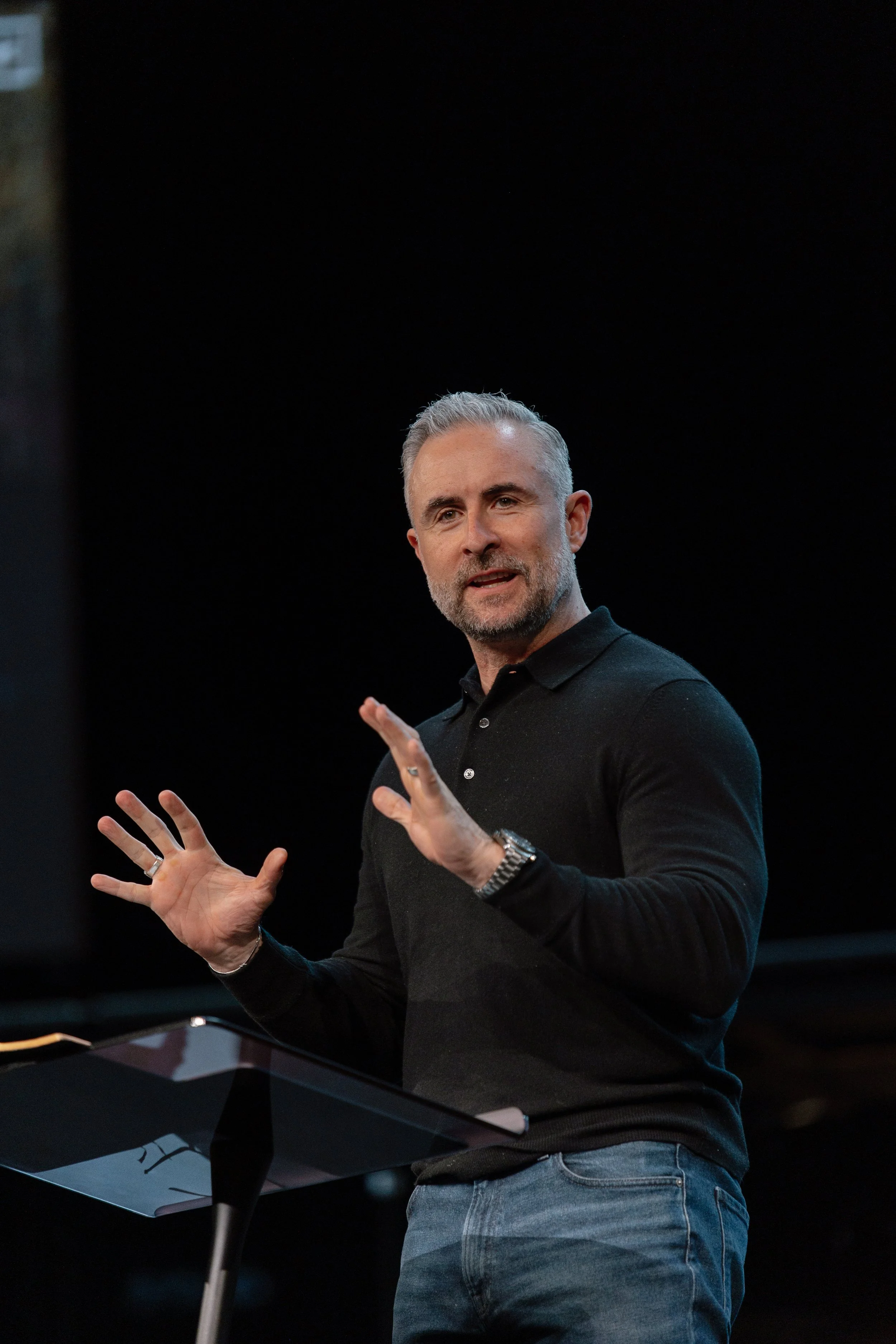
Pastor Lee Cummings
April 19, 2026 Message Recap
When life is going well, what do we actually prioritize?
Most of us have had moments where we’ve cried out to God and made promises—“God, if you get me through this, I’ll trust you. I’ll follow you. I’ll do things differently.”
But what happens when we actually get through it—when life settles down and things are finally good?
In 2 Samuel 7, David is in that place. He’s king, he’s established, and he’s living in a palace. But as he looks around, something feels off. He realizes, “I’m living in a house of cedar, but God is still in a tent.” And he can’t just ignore that.
(At that time, the “tent” was where people believed God’s presence dwelled—it was temporary and simple.)
What stands out is that David doesn’t immediately start thinking about building more for himself. He could have expanded his kingdom, gained more wealth, or focused on securing his future. Instead, his first instinct is to ask, “How can I honor God?”
And God’s response is surprising. He basically tells David, “I never asked you to build me a house.” But then He responds to David’s heart and says, “Because you want to honor me, I’m going to establish your house.” God promises to bless David’s future and legacy.
The reason this matters is because of where David’s heart came from. He hadn’t forgotten his story. He remembered being the overlooked son, the shepherd in the field, the one no one expected much from.
He remembered the years when all he really had was God—when God protected him, led him, and carried him through things he couldn’t have handled on his own. And now that he’s on the other side of it, he doesn’t just move on like it didn’t matter. He lets it shape the way he lives.
That’s the tension for us too. When we’ve been in seasons where we had no choice but to rely on God, what happens when we don’t feel that same pressure anymore? Do we still live with that kind of dependence? Do we still remember what He’s done?
For David, that remembering turned into action. He wanted to build God a house that reflected who God was—not just for himself, but for everyone around him. He wanted God’s presence to be central, not temporary. And he wanted other people to experience what he had—meeting God in real, personal ways.
At the center of all of this is gratitude. Remembering who you were before God met you. Remembering what He’s brought you through. Remembering that what you have now isn’t something you created on your own.
Because when you really remember, your priorities start to shift—without you having to force it. You start to care about what God cares about. You start investing your time, your energy, and your resources differently.
So it’s worth asking: am I actually investing in the things that matter to God? Am I grateful to be part of His family, or have I just gotten used to it? And am I building my life around my own name and comfort, or around Him?
This isn’t about guilt or pressure. It’s about perspective. Because when you see clearly what God has done, it changes how you live.
At the end of the day, the question isn’t whether church or God’s house is convenient. It’s whether it’s important enough to actually shape your priorities. And the way you answer that will show up in how you live.
Tap to watch the sermon!
About Radiant Church
Founded in 1996, Radiant Church has grown into a multi-location church committed to biblical teaching, discipleship, and mission.
At Radiant Church, there is an invitation to grow in your spiritual journey, build meaningful community, and truly get connected. We are passionate about helping people grow in faith, encounter the presence of God, and become part of a church grounded in Spirit and truth.