
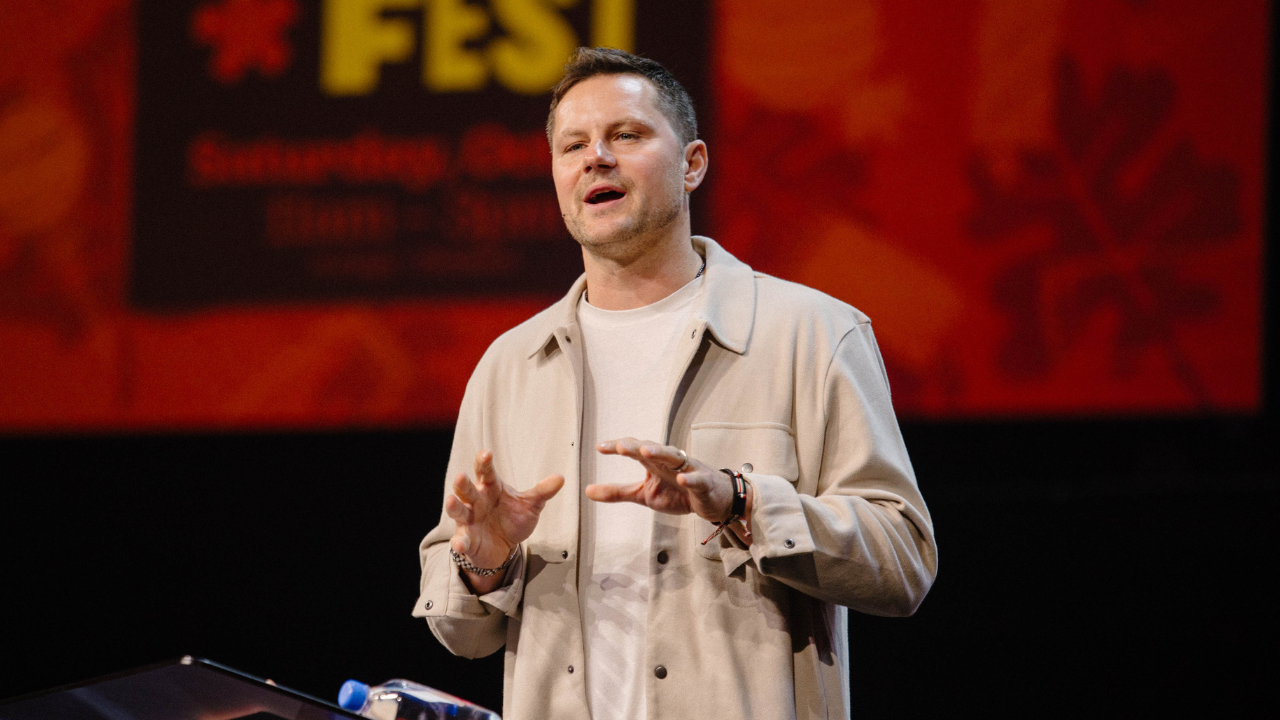
Pastor Caleb Culver
October 11, 2026 Message Recap
Peter knew who Jesus was. He just didn’t like where Jesus was going.
He had just declared that Jesus was the Christ, the Son of the living God. But when Jesus explained that He would suffer and die, Peter pulled Him aside and said, “God forbid it, Lord! This must never happen to you.”
He wanted the victory without the suffering—a King without a cross. Without realizing it, he was pushing Jesus toward the same shortcut satan had offered in the wilderness: glory without obedience to the Father.
Jesus confronted the temptation, but His commands were different. To satan, He said, “Away with you.” To Peter, He said, “Get behind me.”
Jesus didn’t send Peter away. He put him back in line.
Peter’s place was close to Jesus, following where He led. But somewhere between confessing his faith and hearing what that faith would require, Peter stepped out in front.
We do this, too. We trust Jesus until His direction challenges our expectations. Then we start explaining how things should happen, what He should change, and which roads we shouldn’t have to walk.
The enemy doesn’t always need to pull us away from our faith. Sometimes he just needs to distract us from following.
We can be fully locked in and still be locked in on the wrong thing.
Our culture tells us to take control, master ourselves, and become our best selves. But we can discipline every appetite and still sit on the throne of our own lives. Even good plans can become a problem when we won’t surrender them.
Jesus didn’t call Peter to become a better Peter. He called him to deny himself, take up his cross, and follow.
That means trusting Jesus enough to let Him lead—even when we wouldn’t have chosen the road.
There’s freedom in that. Being in control comes with the pressure to figure everything out and make it all happen. Following Jesus doesn’t spare us from difficulty, but it means we don’t have to carry that weight alone.
We don’t have to know the whole route. We have to stay close to the One who does.
Peter eventually learned this; he wrote to suffering believers that Christ had left them an example so that they should follow in His steps. The man who once tried to steer Jesus was now encouraging others to follow Him.
Where have you stepped out in front of Jesus, and what would it look like to get back behind Him?
Scripture References:
Tap to watch the sermon!
About Radiant Church
Founded in 1996, Radiant Church has grown into a multi-location church committed to biblical teaching, discipleship, and mission.
At Radiant Church, there is an invitation to grow in your spiritual journey, build meaningful community, and truly get connected. We are passionate about helping people grow in faith, encounter the Presence of God, and become part of a church grounded in Spirit and truth.
Here's a 5-day devotional guide based on this sermon:
Day 1: When the Plan Breaks
Matthew 16:21–22 | Isaiah 55:8–9
Peter had watched Jesus heal, teach, and announce the Kingdom, and he had already pictured how the story would end. When Jesus said the road ran through suffering and death, Peter's expectations collapsed. Isaiah reminds us that God's thoughts and ways are higher than ours, which is good news even when it doesn't feel like it. God will exceed what we imagine, but He often has to break our script first.
Day 2: The Shortcut Offered Twice
Matthew 4:8–10 | Hebrews 12:1–2
In the wilderness, Satan offered Jesus every kingdom of the world without the Cross. In Matthew 16, Peter offered something similar out of love: glory without suffering. Both were shortcuts, and Jesus refused both. Hebrews tells us He endured the cross for the joy set before Him, which means the hard road was never a detour. It was the way.
Day 3: Repositioned, Not Rejected
Matthew 16:23 | John 21:15–19
Jesus told Satan to leave, but He told Peter to get behind Him. That word put Peter back where a disciple belongs, following closely. After Peter's later denial, Jesus met him on the shore and ended their conversation with the same invitation: follow me. Getting out of line doesn't disqualify you, because Jesus repositions those who belong to Him.
Day 4: Disowning Yourself
Matthew 16:24 | Galatians 2:20
To deny yourself is not just giving up dessert or getting up early. The word means to disown, to refuse to acknowledge. It is choosing to stop being the center of your identity, the author of your path, and the final authority over your life. Paul put it this way: "It is no longer I who live, but Christ who lives in me.”
Day 5: Life on the Other Side of Surrender
Matthew 16:25 | Matthew 11:28–30
Jesus promised that whoever loses their life for His sake will find it. The life we cling to keeps demanding more than we can give, but the life we surrender is the one He fills. He described His yoke as easy and His burden as light, and He meant it. The path may lead through death to self, but it ends in resurrection life.