
Protecting What God Values
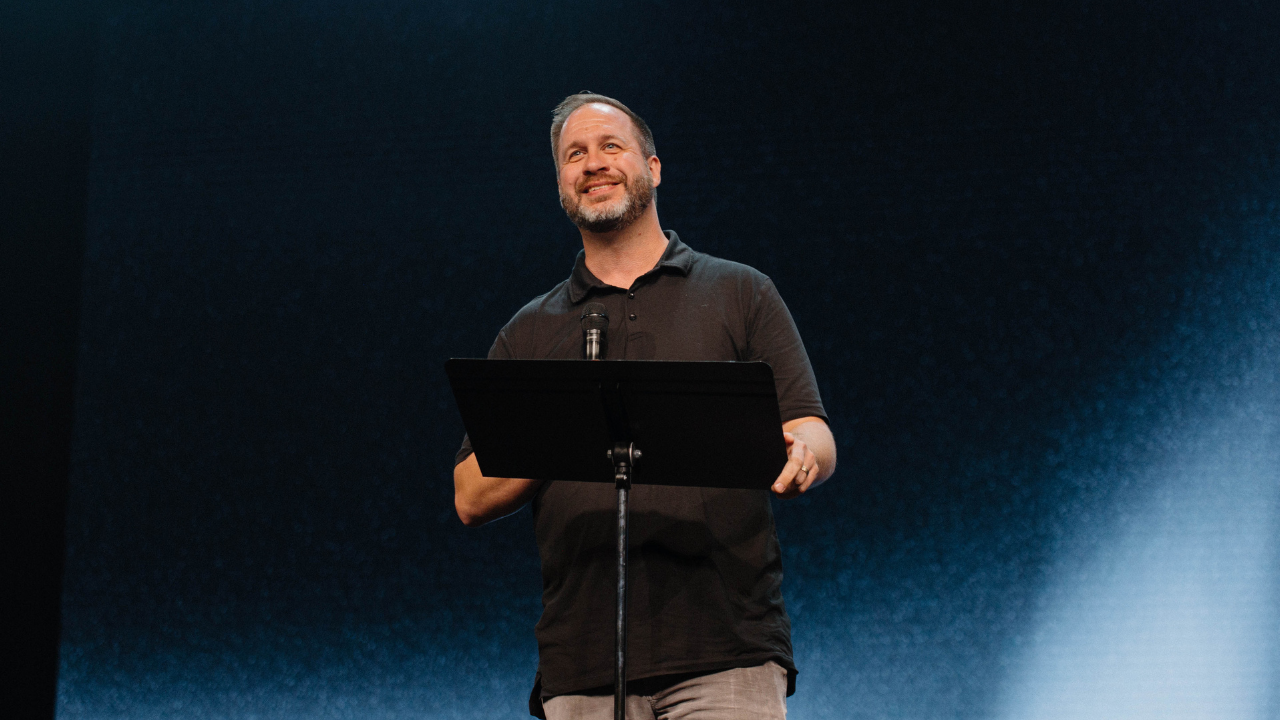
Pastor Toby Cavanaugh
September 20, 2026 Message Recap
At 4:00 a.m. on Three Mile Island, a single water pump stopped working. Within minutes, a nuclear reactor was headed toward meltdown. It took a chain of failures to bring the plant that close to disaster because engineers had built layer after layer of protection into the system. They knew what was at stake.
Scripture treats unity in the Church the same way.
Unity isn't a “nice” extra for church life. God cares about it deeply. The psalmist compares it to oil poured out over Aaron's head, blessing running down freely, and says that's where God commands His blessing. That's also why unity gets attacked so hard.
Here's the reality: every church is full of people who will eventually let each other down. Someone says something they shouldn't have. A friend flakes on you. A leader comes down hard when you needed grace. This isn't hypothetical for most of us. You can probably think of a name right now.
God knew this was coming, so He didn't leave unity unprotected. He built in layers.
Love. The Bible's word is agape, and it's not a feeling. It's a decision to look out for someone else's good, even when it costs you. Where that kind of love is present, many things that could split us never take root.
But people still fail. So there's another layer.
Forbearance. This is just the ability to let things go. Not every careless comment has to become a wound. Not every annoyance needs a confrontation. Sometimes guarding unity means deciding something doesn't get to take up space in your heart.
But sometimes the hurt is too real to brush off. That's where the last layer comes in.
Forgiveness. Forgiving someone doesn't mean pretending it was fine. It means canceling a debt they actually owe you. Jesus did exactly that from the cross, praying for the people who put Him there.
It can feel like losing, but holding onto the debt doesn't undo what happened. It just starts causing damage of its own: to you, to them, and to the whole Body you're both part of.
Love. Forbearance. Forgiveness. God gave us all three to protect something He treasures.
So who came to mind while you were reading this? And what would it cost you to finally cancel that debt?
Scripture References:
Tap to watch the sermon!
About Radiant Church
Founded in 1996, Radiant Church has grown into a multi-location church committed to biblical teaching, discipleship, and mission.
At Radiant Church, there is an invitation to grow in your spiritual journey, build meaningful community, and truly get connected. We are passionate about helping people grow in faith, encounter the Presence of God, and become part of a church grounded in Spirit and truth.
Here's a 5-day devotional guide based on this sermon:
Day 1: Built to Protect What Matters Most
Colossians 3:12–14 | Psalm 133:1–3
Paul writes to the Colossians about clothing themselves in compassion, kindness, humility, and patience, all in service of unity. The psalmist compares unity among God's people to oil poured out, a picture of blessing that flows down and covers everything beneath it. Some things are worth protecting with more than one layer of defense, and Scripture treats the unity of God's people as exactly that kind of treasure.
Day 2: Love That Isn't a Feeling
Colossians 3:14 | John 15:13
Agape love, the kind Paul says binds everything together in perfect harmony, isn't primarily an emotion. It's a decision to act for someone else's good, even at a cost to yourself. Jesus defined the greatest love as laying down your life for a friend, and then did exactly that. Whatever agape looks like in your relationships this week, it will show up as action before it shows up as feeling.
Day 3: The Art of Not Being Offended
Colossians 3:13 | Proverbs 19:11
Forbearance is the ability to overlook an offense before it ever has the chance to take root. Solomon called it a person's glory: the discipline of choosing not to be easily provoked. It isn't the same as forgiveness, which deals with a debt that's already been incurred. Forbearance is the first line of defense, quietly preventing most offenses from ever becoming something that needs to be forgiven at all.
Day 4: Canceling the Debt
Colossians 3:13 | Matthew 18:21–22
When Peter asked Jesus how many times he was required to forgive someone, expecting to be generous with seven, Jesus answered, "Seventy times seven,” essentially removing the ceiling altogether. Forgiveness isn't pretending a debt was never owed. It's choosing to cancel it anyway, just as your own debt was canceled at the Cross. That choice can be made before the pain fully goes away.
Day 5: Father, Forgive Them
Luke 23:34 | Ephesians 4:32
From the cross, in the middle of being mocked and killed, Jesus prayed for the forgiveness of the very people responsible. Paul later tells believers to forgive one another the same way God in Christ forgave them: freely, and before it was earned. If forgiveness was possible for Jesus in that moment, it is possible for you in yours, whatever debt you're still holding onto.