
The Outsider Jesus Stopped For
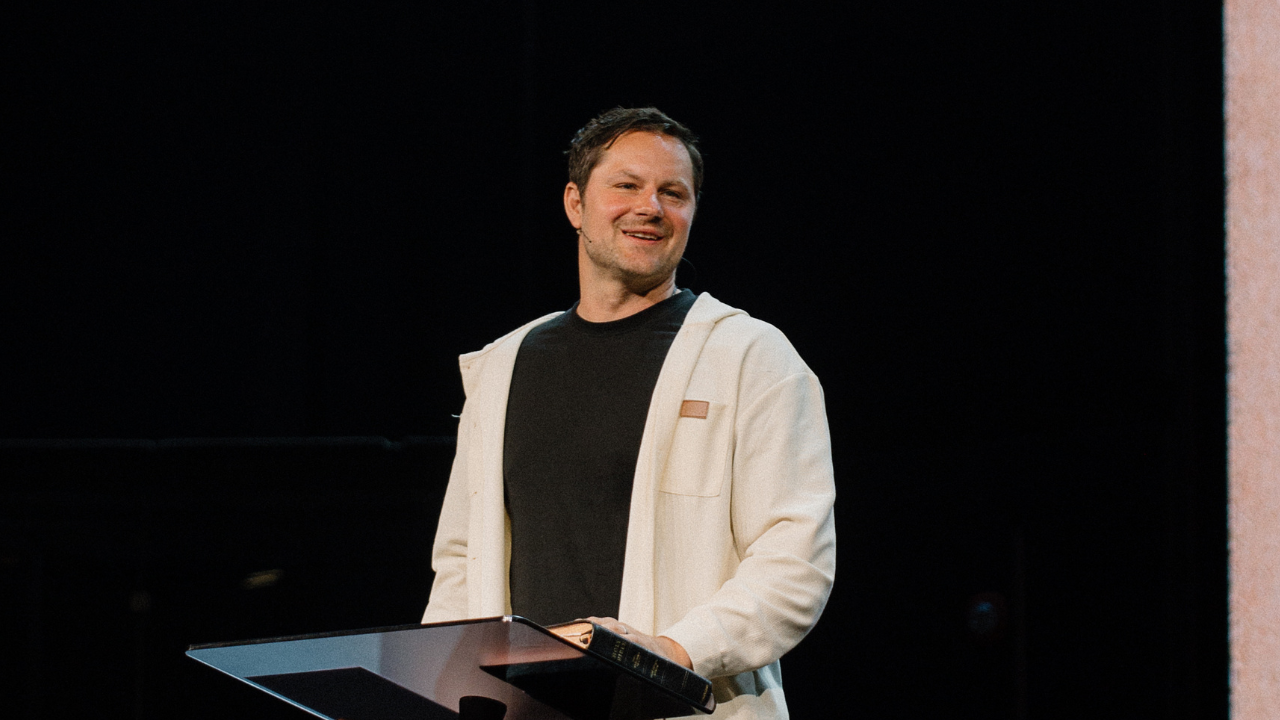
Pastor Caleb Culver
July 12, 2026 Message Recap
What’s the last place you walked into where you immediately knew you did not belong? Maybe it was whispers, looks, or a strange feeling in your gut that told you that you didn’t belong.
Isn’t it strange how belonging, or a lack thereof, is something you can feel before it’s spoken?
In the book of Mark, we're introduced to a woman who had suffered from a discharge of blood for over a decade. She had spent everything she had on physicians who only made her worse. Under the law, her condition made her ceremonially unclean, which meant anyone she touched would also become unclean. Not because she had done anything wrong, but because that was simply the reality she lived with.
For twelve years, she lived believing her very presence made her an outsider. She was isolated, impoverished, invisible, and unnamed. Mark never even tells us who she was.
Then she heard about Jesus.
She had heard that this man walked into unclean places and came out untouched. Instead of uncleanness spreading to Him, His holiness spread to everything He touched. She couldn't help but wonder if that could be true for her, too. So when Jesus passed through her town on His way to heal Jairus' daughter, she made a decision: She would reach for Him.
The law could tell her exactly what was wrong. It could name her condition and declare her unclean, but it couldn't heal her. It's a lot like a mirror. A mirror can show you what's wrong, but it can't fix it. The law exposes our need for a Savior, but it cannot become one.
That's why Jesus came.
He didn't come to dismiss the law. He came to fulfill it. He accomplished what the law never could by making a way for people to be truly made clean.
When she reached Jesus, she touched the hem of His garment. This wasn't superstition. It was faith. The hem of His garment represented God's covenant promises, and she believed that if Jesus truly was the promised Messiah, then He could do what no one else had been able to do. She wasn't clinging to fabric. She was clinging to the One the promise pointed to.
Jesus stopped. Not because He didn't know who had touched Him. Of course, He knew. He stopped because He wanted her to know she had been seen. In the middle of an urgent moment, with a dying girl waiting and a crowd pressing in, Jesus paused for the woman everyone else had overlooked.
Then, He spoke one word that changed everything: "Daughter."
It's the only time in the Gospels that Jesus calls a woman by that name. He didn't call her "the woman with the issue of blood." He didn't define her by her condition. He called her daughter.
He didn't just heal her body. He gave her a place to belong.
That's what the gospel does. It doesn't simply heal what's broken. It welcomes outsiders into the family of God. Through His death and resurrection, Jesus made it possible for every one of us to become sons and daughters.
The same Jesus who called her "daughter" is still calling people home today.
Scripture References:
Tap to watch the sermon!
About Radiant Church
Founded in 1996, Radiant Church has grown into a multi-location church committed to biblical teaching, discipleship, and mission.
At Radiant Church, there is an invitation to grow in your spiritual journey, build meaningful community, and truly get connected. We are passionate about helping people grow in faith, encounter the Presence of God, and become part of a church grounded in Spirit and truth.
Here's a 5-day devotional guide based on this sermon:
Day 1: The Weight of Not Belonging
Mark 5:25–27 | Psalm 25:16
This woman lived for twelve years believing she did not belong anywhere. Not in her community, not in her synagogue, not among her own family. That kind of isolation is one of the heaviest things a person can carry. The Psalmist knew this feeling too, praying, turn to me and be gracious, for I am lonely and afflicted. If you have ever felt like an outsider, you are in good company in Scripture. And this is exactly the kind of ache Jesus moves toward, not away from.
Day 2: The Mirror That Cannot Heal
Galatians 3:24 | James 1:23–25
The law functions like a mirror. It can show you exactly what is wrong, down to the smallest detail, but it has no power to fix what it reveals. James describes a man who looks in a mirror and then walks away and forgets what he saw. The law's purpose was never to leave us staring at our own reflection. It was meant to turn us toward the one person who can actually reach in and heal what the mirror only exposes.
Day 3: Reaching for the Promise
Mark 5:27–29 | Malachi 4:2
She did not grab superstitiously at fabric. She reached for the fringe that represented God's covenant, believing the promise that healing would come. Malachi had prophesied that the Son of Righteousness would rise with healing in his wings. She staked everything on that promise being true in the person of Jesus. Faith is not confidence in your own effort. It is clinging to what God has already promised, even when your circumstances say otherwise.
Day 4: Seen and Not Just Healed
Mark 5:30–33 | Hebrews 4:15–16
Jesus stopped in the middle of an urgent situation to ask who had touched Him. He already knew. He wanted her to step forward and be seen, not to remain anonymous in the crowd even after her healing. Hebrews tells us we have a High Priest who sympathizes with our weakness. Jesus does not just fix the problem from a distance. He wants the relationship, the eye contact, the moment of being fully known.
Day 5: Daughter
Mark 5:34 | Romans 8:15–17
Of everything Jesus could have said to her, He chose the word daughter. Not a diagnosis. Not a category. A relationship. Paul writes that we did not receive a spirit of slavery to fall back into fear, but the Spirit of adoption, by whom we cry out, Abba, Father. The gospel does not merely clean us up. It brings us all the way into the family, and it cost Jesus His own blood to say that word over each of us.